Therapy Services
At New Journey Wellness and Consulting, therapy is grounded in a trauma-informed, person-centered approach that recognizes the impact of life experiences on emotional well-being. Services are designed to support individuals in navigating challenges such as anxiety, depression, trauma, stress, and major life transitions.
Using a blend of evidence-based practices and individualized care, therapy focuses on building insight, strengthening coping skills, and fostering meaningful, lasting change. Whether you're working through past experiences or facing current stressors, the goal is to create a safe, supportive space where you can explore, heal, and grow at your own pace.
Our Counselors
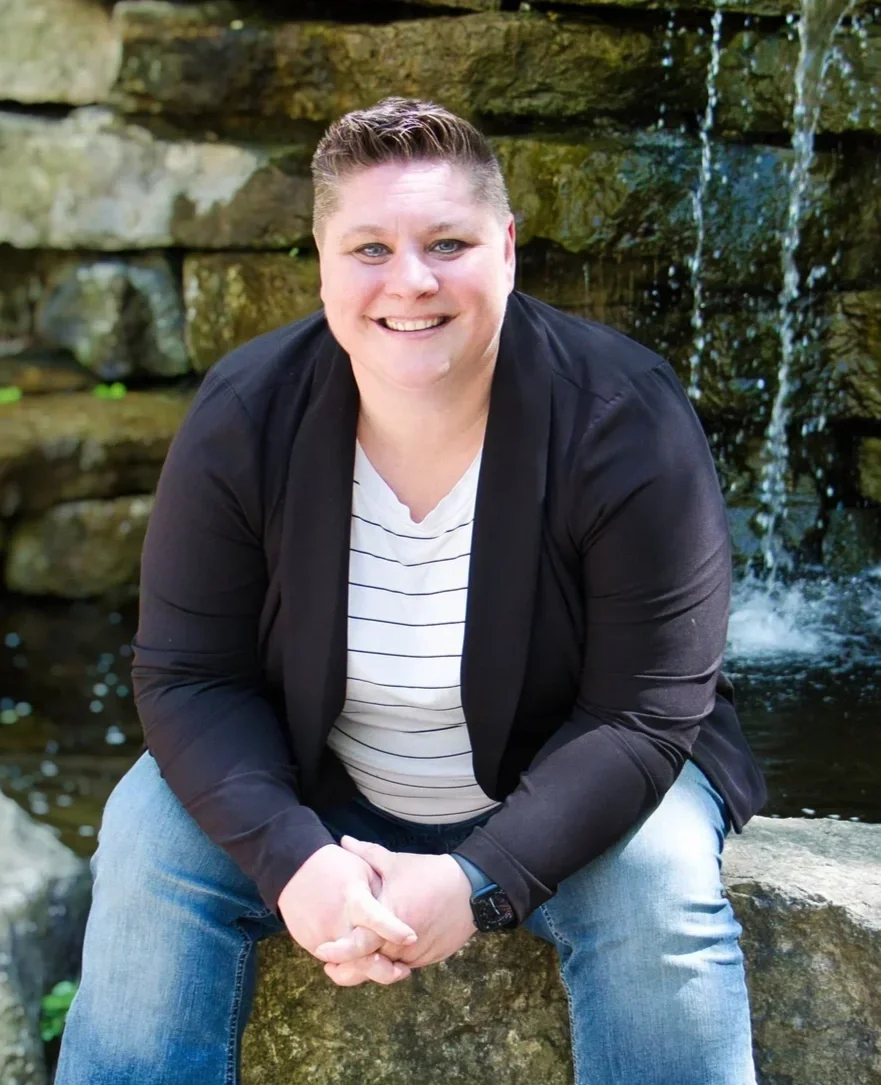
Kristina Bechtel (She/Her)
Kristina Bechtel, LCSW, is a trauma-focused therapist who works with adolescents (12+) and adults navigating a wide range of mental health challenges. She works with both individuals, couples, and families. She specializes in helping individuals process and heal from trauma, while also supporting concerns such as anxiety, depression, stress, and life transitions.
Kristina’s approach is grounded in the belief that people are not “broken,” but shaped by their experiences—and capable of meaningful change with the right support. She integrates a variety of evidence-based and experiential therapies, including Internal Family Systems (IFS) (IFS Level 1 Trained), Accelerated Resolution Therapy (ART), Cognitive Behavioral Therapy (CBT), Dialectical Behavior Therapy (DBT), and Person-Centered Therapy.
Her style is warm, direct, and collaborative. She creates a space where clients feel both supported and gently challenged, helping them build insight, develop practical skills, and move toward lasting healing and growth. And when inspired, she might even utilize puzzles/games in her sessions as tools for healing.
Therapeutic Approaches
Internal Family Systems (IFS)
Internal Family Systems (IFS) is a therapeutic approach that views the mind as a system of different “parts,” all guided by a core Self that embodies calmness, curiosity, and compassion. Developed by Dr. Richard Schwartz, IFS recognizes that these parts each have unique roles—such as protective parts that try to keep life organized and under control, reactive parts that respond to emotional distress, and more vulnerable parts that carry past pain or fear. Rather than trying to eliminate these parts, the goal of IFS is to understand and support them, helping to release the burdens they carry and create greater internal balance. This approach is non-pathologizing and rooted in self-compassion, helping individuals strengthen emotional regulation, build resilience, and develop a deeper connection with themselves. IFS is widely used in therapy for trauma, anxiety, depression, and identity-related concerns, and can also support personal growth through increased self-awareness and insight.
Accelerated Resolution Therapy (ART)
ART is a structured, short-term approach that helps process distressing memories and trauma. Using guided eye movements, we work to reduce the emotional intensity of painful experiences so they no longer feel as overwhelming or intrusive.
Cognitive Behavioral Therapy (CBT)
CBT focuses on the connection between your thoughts, emotions, and behaviors. It helps identify unhelpful thinking patterns—like worst-case-scenario spirals, self-criticism, or “I’m not good enough” narratives—and teaches you how to challenge and reframe them in a more balanced way. CBT is practical and goal-oriented, often including strategies you can use outside of sessions to manage anxiety, depression, and everyday stress more effectively.
Dialectical Behavioral Therapy (DBT)
DBT is especially helpful for people who experience intense emotions or feel overwhelmed by them. It combines acceptance and change—meaning we work on validating your experiences while also building skills to navigate them differently. DBT focuses on four key areas: mindfulness (staying present), distress tolerance (getting through tough moments without making things worse), emotion regulation (understanding and managing feelings), and interpersonal effectiveness (improving communication and relationships). It’s a very skills-based approach, giving you tools you can actually use in real-life situations—not just talk about in therapy.
Person-Centered Approach
This approach creates a supportive, nonjudgmental space where you can openly explore your thoughts and feelings. The focus is on helping you feel heard, understood, and empowered to move forward in a way that aligns with your values.